On this page below you will find lots of first-rate answers about Water Heater Repair and Troubleshooting.
Picture starting your day without your routine hot shower. That already establishes an inadequate tone for the remainder of your day.
Every home requires a reputable water heater, however just a couple of understand just how to handle one. One very easy method to maintain your water heater in top shape is to look for faults on a regular basis and repair them as quickly as they appear.
Bear in mind to shut off your water heater prior to sniffing about for faults. These are the hot water heater faults you are more than likely to encounter.
Water as well warm or too chilly
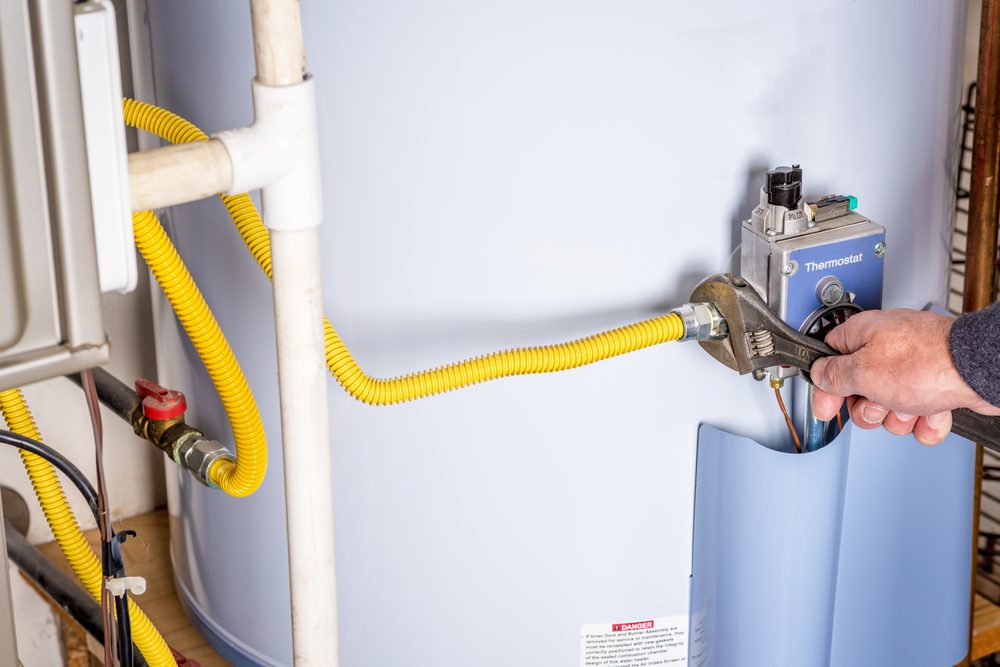
Every hot water heater has a thermostat that determines exactly how warm the water obtains. If the water entering your residence is as well warm regardless of establishing a convenient optimum temperature, your thermostat might be faulty.
On the other hand, too cold water might result from a failed thermostat, a broken circuit, or improper gas circulation. As an example, if you utilize a gas water heater with a broken pilot burner, you would certainly get cold water, even if the thermostat remains in perfect problem. For electric heating units, a blown fuse may be the perpetrator.
Not enough hot water
Water heaters can be found in numerous dimensions, depending upon your warm water needs. If you lack hot water before everyone has actually had a bathroom, your hot water heater is as well little for your family size. You should consider mounting a bigger hot water heater container or going with a tankless hot water heater, which occupies less room and also is a lot more long lasting.
Odd noises
There are at least 5 type of noises you can hear from a water heater, yet the most common interpretation is that it's time for the hot water heater to retire.
Firstly, you need to recognize with the regular seems a water heater makes. An electrical heating unit might sound various from a gas-powered one.
Popping or banging audios typically suggest there is a slab of sediment in your containers, and it's time to cleanse it out. On the other hand, whistling or hissing sounds may just be your shutoffs allowing some stress off.
Water leaks
Leaks could come from pipelines, water connections, valves, or in the worst-case situation, the container itself. Gradually, water will certainly corrode the storage tank, and also find its escape. If this happens, you need to change your water heater asap.
However, prior to your change your entire storage tank, make sure that all pipelines remain in place which each valve works flawlessly. If you still require help recognizing a leak, call your plumber.
Rust-colored water
Rust-colored water indicates among your water heater elements is worn away. Maybe the anode pole, or the tank itself. Your plumber will be able to determine which it is.
Warm water
No matter how high you set the thermostat, you won't obtain any kind of warm water out of a heater well past its prime. A water heater's effectiveness may minimize with time.
You will certainly likewise obtain warm water if your pipelines have a cross connection. This indicates that when you switch on a tap, hot water from the heater streams in together with routine, cold water. A cross connection is very easy to spot. If your warm water taps still run after shutting the hot water heater shutoffs, you have a cross link.
Discoloured Water
Corrosion is a major source of unclean or discoloured water. Rust within the water storage tank or a stopping working anode rod could cause this discolouration. The anode pole safeguards the container from rusting on the inside and also ought to be examined yearly. Without a rod or a correctly operating anode rod, the warm water rapidly wears away inside the tank. Contact an expert hot water heater specialist to figure out if changing the anode pole will repair the issue; otherwise, change your water heater.
Final thought
Preferably, your hot water heater can last one decade prior to you require a change. However, after the 10-year mark, you may experience any of these faults more frequently. At this moment, you must include a new water heater to your budget.
5 Most Common Water Heater Problems
No Hot Water
Turning on your shower only to be doused with an intense wave of cold water never fails to surprise homeowners. When your shower or faucets fail to warm up, it likely means that your electric water heater has a broken heating element somewhere in your system. When one of these elements malfunctions, your water heater will fail to disperse water throughout your home completely.
If your water heater isn’t working at all, the first thing you want to do is to ensure that your pilot light is on. If it is out, simply turn it on. If the pilot light is working and you’re not getting hot water, it indicates a greater problem, and you should contact an expert local contractor like Einstein Plumbing and Heating for help.
Not Enough Hot Water
Running out of hot water is frustrating, and a few different issues can cause it. In this issue, your water heater’s thermostat may not be functioning properly, or your water heater is likely too small. Your only options would be to reduce your hot water usage or get a larger water heater tank to provide more for your home.
Occasionally, you might have a cracked dip tube that needs professional assistance to repair. Dip tubes take cold water and push it to the bottom of the tank to be heated. A cracked tube might release the water into the middle or top of your tank, and you’ll feel the cold water instead of heated water.
Homeowners investing in a bigger water heater might want to look into a tankless water heater. Tankless water heaters are a bit more pricey, but you will never run out of hot water, and it’s worth the investment if you know you need a lot of hot water or want the peace of mind to not worry about a lack of hot water.
The Water Is Colored
Rusty-colored water tells you that your tank is now rusting and corroding away, and your water heater isn’t working safely and effectively for your home. The most likely solution would be to replace your anode rod. An anode rod prevents rust from collecting in your tank, and fortunately, rotting issues are easily corrected if caught on time. As the rod begins to rot more and more, rust spreads to your tank, causing small cracks. These cracks in your system will eventually lead to a water heater tank leak.
Hot Water Heater Leaking
A broken or stuck drain valve Too much water or temperature pressure in the tank Corrosion and rust Condensation build-up Bad gasket Loose heating element bolts
I am very curious about Common Problems with Your Home Water Heater and I am praying you enjoyed reading our page. Do you know someone else who is fascinated by Common Problems with Your Home Water Heater? Do not hesitate to promote it. I love reading our article about Common Problems with Tank Water Heaters.
Dial, we'll handle!